Italian Dinner at Its Finest

During our trip to Italy last year, my brother, his baby daughter, and I visited the stunning town of Matera. It was already November, and while the air had a bit of a chill, the weather was still wonderfully bright. At that time of year, despite Matera being a top tourist destination, the crowds had thinned out, leaving us to enjoy the town at a leisurely pace. We were able to sit on the terrace of a small restaurant, without needing a reservation, and take in the breathtaking view of the upper part of old Matera.

For the little one, we ordered a simple dish of gnocchi in a rich tomato sauce, but with such a beautiful view ahead of us and plenty of time on our hands, we decided to indulge in the full Italian dining experience that the restaurant offered. It was the perfect setting to enjoy a leisurely, traditional Italian meal, savouring each course at our own pace.

For most people, Italian cuisine is synonymous with pizza, various types of pasta, and of course, fresh olive oil as a staple accompaniment. However, a true Italian meal, especially in a more refined setting, is a much more elaborate experience, traditionally served in several courses. Our meal followed a classic Italian structure, beginning with antipasti, followed by two main courses, and finishing with dessert. What is important, we enjoyed this meal as a late lunch, but in Italy, this type of multi-course meal is typically served as an evening dinner.

So, what does a traditional Italian meal look like, and what was on our plates?

At the start of the meal, it’s common for freshly baked bread to be served, often accompanied by a bowl of extra virgin olive oil for dipping. Throughout the meal, wine plays a central role. In many restaurants, you can choose between bottled wines, often from renowned regional vineyards, or opt for the local vino della casa (house wine), which is usually served in carafes. House wines, whether red or white, are often simpler but still of good quality. Sparkling or still water is also commonly served.

Antipasto (Starter). The meal often begins with antipasti, which are small, flavourful appetisers meant to stimulate the appetite. These may include bruschetta, cured meats like prosciutto, a variety of cheeses, marinated olives, grilled vegetables, or carpaccio – thinly sliced raw meat (typically beef) or sometimes fish, dressed with olive oil and lemon. The antipasto serves as an introduction to the meal and sets the tone for what is to come.

Primo piatto (First Course), This course is typically based on carbohydrates and may include pasta, risotto, gnocchi, or sometimes soup. Pasta is a staple of Italian cuisine, made from wheat and water (or eggs in some varieties), and comes in countless shapes and sizes, from the well-known spaghetti to more regional variations. Risotto is a creamy dish made from short-grain rice, which is cooked slowly by adding broth little by little, resulting in a rich texture. Gnocchi, on the other hand, are soft dumplings made from potatoes, flour, and sometimes eggs, offering a slightly different texture from pasta but often served with similar sauces. The primo is hearty and filling, but it’s just the beginning of the main part of the meal.

Secondo piatto (Main Course). The secondo is the main course, usually focused on meat or fish. Unlike the primo, it is typically served without starchy additions, like pasta or rice. Common choices include roasted meats, grilled fish, or stews. If you’re dining in Italy, be prepared for the possibility of receiving just the meat with its sauce, like guanciale di manzo (beef cheeks), which are often served in a rich, slow-cooked sauce or meat accompanied by vegetables like in pollo a la Romana (Roman style chicken), where peppers, tomatoes, and onions are slow-cooked with the chicken, creating a rich, flavourful sauce that accompanies the dish. Don’t expect pasta or potatoes on the side, as you’ve likely already had your primo piatto earlier. The secondo is meant to stand on its own, with the focus squarely on the protein and its accompanying sauce.

Contorno (Side Dishes). Side dishes, or contorni, often accompany the secondo. These are usually simple vegetable preparations, such as roasted potatoes, grilled zucchini, or a fresh salad. While not always necessary, contorni add balance to the meal and offer a lighter contrast to the richness of the main course. Contorni in Italy can (though not always) be served in quite generous portions. So before ordering additional vegetables in a restaurant, it’s wise to ask the waiter about the portion size, as you might find yourself with more on a plate than you can comfortably eat on your own.

No Italian meal is complete without a dolce, or dessert. This could be a classic like tiramisu, a silky panna cotta, or light, refreshing fruits, depending on the region and the occasion. Italian desserts are often rich in flavour but not too heavy, providing the perfect sweet finish to a meal. In one of the traditional Italian homes where I was a guest, dessert was a delightful mix of sweets, balanced with fresh fruits and nuts. After the dolce, Italians typically enjoy an espresso (caffè), a strong, concentrated coffee served in a small cup. Coffee is usually the last item served, although some may choose a digestivo such as grappa, limoncello, or amaro to help with digestion.

I traditionally ended the meal with a coffee, though not an espresso. Keeping in mind that Italians usually find it odd when someone orders a milk-based coffee, like cappuccino or caffè latte, with lunch or dinner, I chose an americano instead – a more diluted option, as espresso is a bit too strong for my taste. Interestingly, the name americano is tied to the fact that American soldiers during World War II would dilute their espresso with hot water to make it more like the coffee they were used to back home.

Italian Dinner at Its Finest

Lessons Learned in the Rijksmuseum. Inside the Lives of the Dutch Bourgeoisie

When one thinks of the Rijksmuseum, the first association is often with the masterpieces of the Dutch Golden Age. However, the museum is much more than just a collection of fine art; it is a rich tapestry of Dutch history, culture, and daily life. This history is vividly portrayed not only in the paintings but also in the museum’s extensive collection of everyday objects.

Rijksmuseum, located in Amsterdam, is the largest and most renowned museum in the Netherlands, dedicated to Dutch art and history. Established in 1798, the museum is a treasure trove of cultural heritage. It is divided into several key sections, including the Dutch Golden Age paintings, a vast collection of historical artifacts, decorative arts, and a comprehensive display of Dutch colonial history.

Rijksmuseum at first glance

The wealth of the Dutch bourgeoisie primarily stemmed from the dynamic development of international trade during the 17th century, known as the Dutch Golden Age. During this period, the Netherlands became one of the world’s most powerful trading centers, largely due to the activities of organizations such as the Dutch East India Company and the Dutch West India Company. Trade in spices, silk, porcelain, and even slaves generated enormous profits, fueling the growth of cities, infrastructure, and culture. Investments in banking, shipping, and innovative agricultural practices further strengthened the position of the Dutch bourgeoisie, making it one of the wealthiest and most influential social classes in Europe at that time.

To understand how the Dutch bourgeoisie lived during this era, we can first look at the details captured in the paintings. The Dutch painters of the Golden Age were, in fact, portraitists of the wealthy bourgeoisie. They didn’t just capture their faces but also depicted how they lived, what they ate, and the interiors of their homes. These paintings reveal a wealth of details. If we compare this to how many of us share glimpses of our lives on social media today, it’s clear that the Dutch of the Golden Age did something similar, but instead of using photography, they employed and generously paid skilled portraitists to document their lives.
In the first painting we see a lively and joyful scene where a family gathered around the table enjoys a meal together. The home interior is warm and cosy. We see an indulgent feast and carefree atmosphere, subtly hinting at the potential for excess and moral laxity in the pursuit of pleasure. The paintings illustrate as well how the contents of Dutch bourgeois tables evolved, reflecting their growing wealth and refined tastes. In one painting, we see a roasted turkey, a symbol of luxury and abundance. In another, oysters – a delicacy considered a rarity. We see the transition from simple, local foods to more exotic and luxurious dishes, a result of the expanding global trade networks. The depiction of the civic guard members and the banquet celebrating a peace treaty clearly show how important fashion and elegance were in Dutch society. The men are dressed in richly decorated uniforms, which not only emphasise their roles and social status but also reflect their prestige and concern for appearance. It is notable that women are absent from these paintings, highlighting the male dominance in these formal and public spaces, particularly in military and official contexts.

Another key element in the museum that illustrates what a wealthy Dutch home might have looked like is the collection of dollhouses, which showcase complete homes, meticulously furnished down to the finest detail. The dollhouses on display at the Rijksmuseum were far from being mere children’s toys. These miniature homes were crafted as a hobby for wealthy women in the 17th and 18th centuries. They are not only works of art in their own right but also serve as detailed records of domestic interiors of the time.

The museum houses several exquisite examples, including the famous dollhouse of Petronella Oortman (on the upper photo), crafted between 1686 and 1710. This dollhouse is a meticulous replica of a grand canal house in Amsterdam. Every room is furnished with tiny, yet incredibly detailed versions of the furniture, textiles, and household items that would have been found in an affluent home of that era. Through these miniature worlds, visitors can explore the daily life of the Dutch bourgeoisie, from the layout of the kitchen to the luxury of the parlour. The attention to detail is astounding, with miniature paintings, hand-painted wallpaper, and even tiny porcelain dishes adorning the tables.

Finally, the museum’s collection also includes individual pieces of furniture and everyday objects displayed throughout various sections. The furniture collection includes everything from simple pieces such as beds, chests, and wardrobes to more elaborate and intricately carved cabinets. Some of these 17th-century pieces reflect the Calvinist values of austerity and modesty that were prevalent in Dutch society at the time. However, other items in the collection reveal the splendour of the homes of the Dutch elite, where no expense was spared in displaying wealth and taste. One prime example is the collection of cabinets. These are not only masterpieces of furniture craftsmanship, featuring countless compartments and intricate wood carvings, but they also serve as canvases for miniature works of art, with tiny paintings created using various techniques.

The furniture showcased in the Rijksmuseum was crafted from high-quality materials, including rich woods such as oak and walnut, which were commonly used in Dutch furniture making during the Golden Age. These pieces often featured intricate inlays and embellishments made from materials like ebony, mother-of-pearl, and sometimes bone or other fine materials. Notable makers of these exquisite pieces included famous Dutch cabinetmakers of the 17th century, such as Herman Doomer and Pierre Gole, who were renowned for their skill in creating finely crafted furniture. These artisans often worked in major cities like Amsterdam, The Hague, and Leiden, where they combined local craftsmanship with imported materials and influences from across Europe. Their work was highly sought after by the Dutch elite and continues to be admired in museums around the world today.

Lessons Learned in the Rijksmuseum. Inside the Lives of the Dutch Bourgeoisie

Solyanka. A Perfect Dish for the Morning After

Two years ago, we went on a business trip to Riga. We arrived in the afternoon, the day before our official meetings. Riga offers a wide array of restaurants, but my colleagues were meticulous in researching recommendations online. When we finally settled into a restaurant and began reading the menu, one of our companions rubbed his hands together in anticipation and exclaimed, Solyanka! Curious, I asked, What’s that? You don’t know? he replied. You must try it. It’s absolutely delicious, though quite salty. Intrigued, I took his advice and ordered it.

I must admit, the tradition of Solyanka was unfamiliar to me, likely due to my family’s culinary preferences, even though it seems to be considered a national dish in my country. I enjoyed it immensely. A year later, I had it again in a restaurant in Tallinn. On both occasions, I didn’t pay much attention to the ingredients. It wasn’t until earlier this year, while I was preparing traditional Polish cucumber soup, that I happened to watch a popular cooking show where the host was making Solyanka. That’s when I realized that to make Solyanka, I would need to add more sour brine from the cucumbers, along with some tomato paste and sausage. Luckily, I had all the ingredients in my fridge, so I decided to make Solyanka instead of cucumber soup. The host of the cooking show said, solyanka was the perfect cure for the morning after, to cope with a hangover after a party. On second thought, I agree.

Solyanka is a traditional Eastern European soup known for its rich, tangy flavour, typically made with meat, fish, or mushrooms. It’s popular in several countries, each with its variations. In Russia, solyanka includes a mix of meats (beef, pork, or sausage), fermented cucumbers, olives, capers, onions, tomato paste, and is often served with lemon and sour cream. Ukrainian solyanka is similar but may include additional vegetables like carrots and potatoes, giving it a milder, more balanced flavour. Belarusian solyanka focuses on smoked meats, providing a rich, smoky taste. In East Germany, solyanka, introduced after World War II, is now traditional. It usually features sausages, fermented cucumbers, onions, tomato paste, and bell peppers, often with a thicker, stew-like consistency and a milder flavour. Latvian Solyanka also incorporates potatoes and local spices, while Lithuanian solyanka often uses local sausages, adding a deeper, smokier flavour. Polish solyanka is similar but might include smoked fish, giving it a unique twist. In Kazakhstan, solyanka is spicier, reflecting local tastes. Overall, while the basic concept of Solyanka remains consistent, each country adds its regional touch, making this soup a versatile and cherished dish across Eastern Europe.

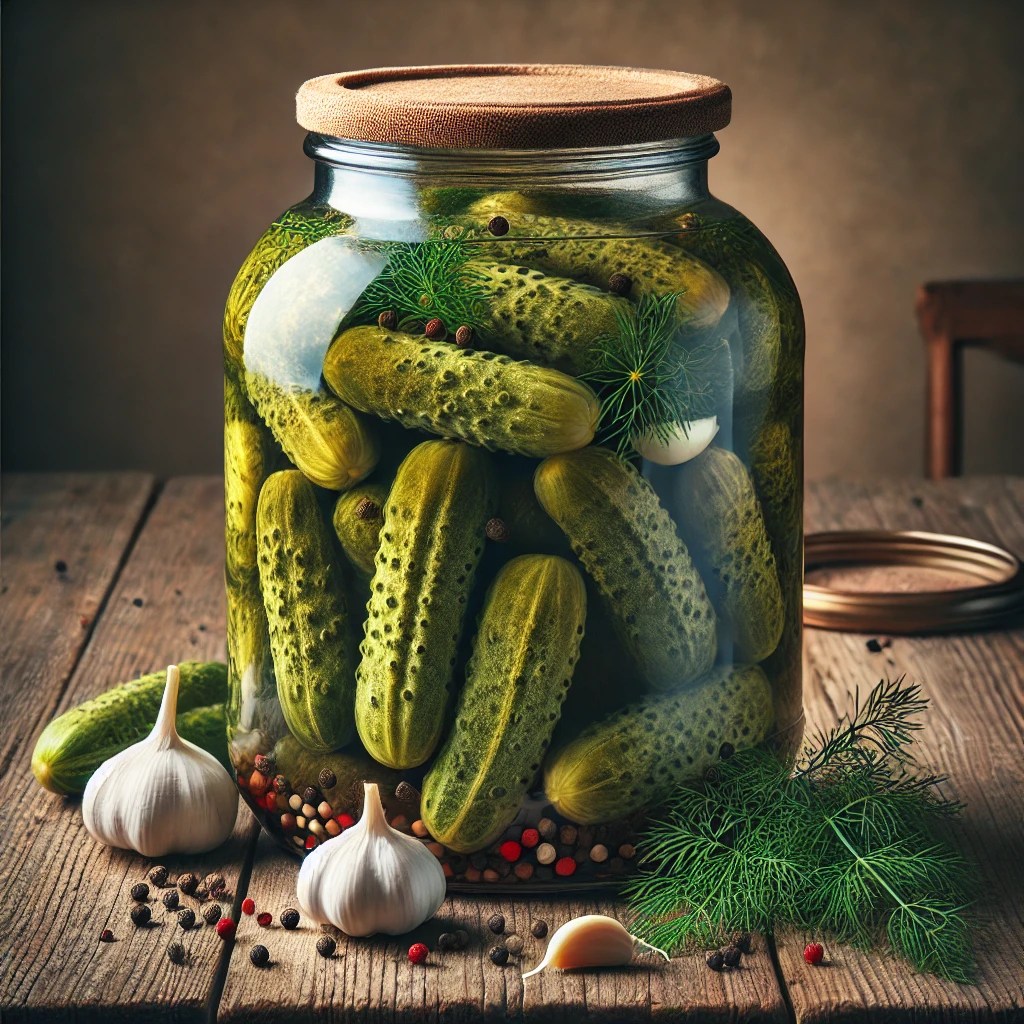
Before I explain how to make solyanka (using the recipe I followed for my very first homemade version), I should clarify the difference between fermented cucumbers and pickled cucumbers. For solyanka, you need to use fermented cucumbers along with the brine they were fermented in. Fermented cucumbers, which are naturally fermented in a salt brine, have a sharp, tangy flavour that adds an essential sour note to solyanka. This tanginess is crucial, as it balances the richness of the meats and other hearty ingredients in the soup. In contrast, pickled cucumbers, preserved in a vinegar-based solution, tend to be sweeter and milder. While they are delightful in many dishes, they are not suitable for solyanka, as they lack the bold sourness needed for this dish. To create a truly authentic solyanka, always opt for fermented cucumbers, ensuring your soup reflects the true spirit of Eastern European cuisine.

To make traditional fermented cucumbers, start by preparing a brine by dissolving one tablespoon of salt in one liter (4 cups) of water. You’ll need about one kilogram of small, firm cucumbers, which should be washed thoroughly. In a large, clean glass jar or ceramic crock, place a layer of fresh dill, about one bunch, along with 4-6 cloves of garlic (slightly crushed), a teaspoon of whole black peppercorns, and 2-3 bay leaves at the bottom. Arrange the cucumbers upright in the jar, packing them tightly, and add more dill, garlic, and, optionally, a few pieces of horseradish root as you fill the jar. Once the jar is full, pour the brine over the cucumbers, ensuring they are completely submerged. If needed, place a weight on top of the cucumbers to keep them below the brine. Cover the jar loosely with a cloth or lid, and leave it at room temperature for 3-7 days, depending on how sour you want the cucumbers to be. During fermentation, the cucumbers will develop a sharp, tangy flavor. Taste them after a few days to see if they’ve reached your preferred level of sourness. Once you’re satisfied, transfer the jar to the refrigerator to slow down the fermentation process. The fermented cucumbers can be stored in the fridge for several weeks, maintaining their crunchy texture and vibrant taste. Regularly check the surface of the brine and skim off any foam or scum that forms during fermentation.

To prepare a hearty Solyanka with fermented cucumbers, sausage, and potatoes, start by making a robust stock. Begin with about 1.5 liters of beef or chicken broth, simmered from bones with vegetables such as carrots, celery, and onions, to create a rich, flavorful base. This stock should be well-seasoned with salt and pepper and can be prepared in advance or made fresh on the day. In Poland, many homemakers often prepare larger quantities of broth so that they can use the stock in the following days to make other soups.

Heat a large pot over medium heat and add a tablespoon of butter or oil. Finely chop one large onion and sauté it until golden brown. Add two cloves of minced garlic and cook for another minute until fragrant. Next, slice 200–300 grams of smoked sausage and add it to the pot. Fry the sausage until it begins to brown.

Meanwhile, peel and dice two medium-sized potatoes into bite-sized pieces. Add the potatoes to the pot, stirring them with the sausage and onions. To help the potatoes cook more evenly in the soup, you can briefly soak them in boiling water, then drain before adding.

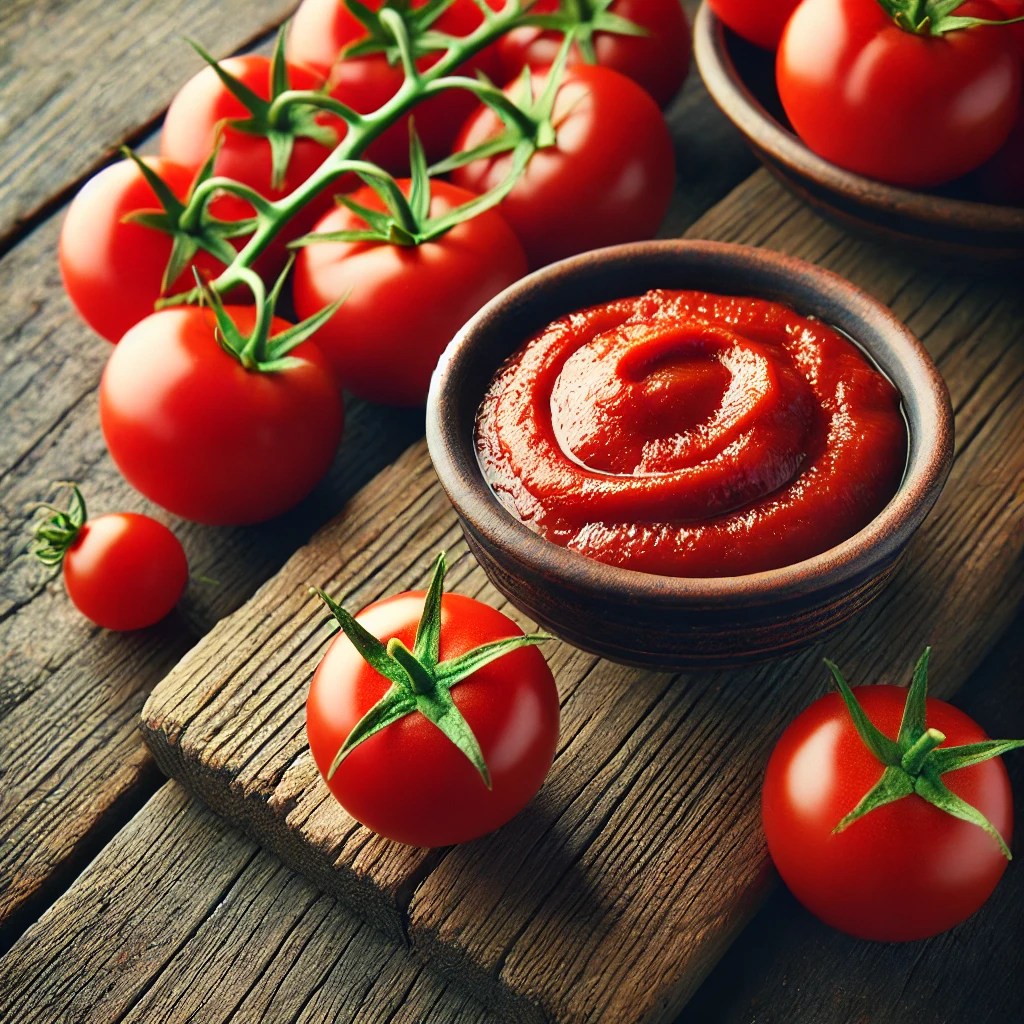
Pour in your prepared broth, bringing everything to a gentle boil. Reduce the heat and let the soup simmer until the potatoes are tender (about 15 minutes). While the soup simmers, take four fermented cucumbers (about 200 grams) and dice them. Add the cucumbers to the pot along with two tablespoons of tomato paste. Stir well to combine. Pour in about 100 ml of cucumber brine to enhance the flavour. Let the soup simmer for another 10 minutes. For seasoning, add a teaspoon of smoked paprika, half a teaspoon of ground cumin, and a bay leaf. Taste and adjust with salt, pepper, or more brine if needed. Once done, remove the bay leaf and serve.

Ladle into bowls and top with a dollop of sour cream or yoghurt and a few lemon slices. Fresh dill or parsley makes a perfect garnish.

You may also like the recipes for: French Onion Soup, German Potato and Sausage Eintopf, Lithuanian Cold Beet Soup, French Beef Bourguignon, or New Zealand Chowder.

Solyanka. A Perfect Dish for the Morning After